- English
- Arabic

In This Blog Post
Share This Article
- Published: Dec 11, 2025
- Last Updated: Sep 5, 2026
- 🔊 Listen
TL;DR
- Defining your business’s financial needs upfront helps you choose the right accountant who can support compliance, reporting, and strategic decision-making in the UAE.
- Deciding between an in-house or virtual accountant depends on your need for daily involvement versus flexibility, scalability, and lower overheads.
- Strong experience with UAE regulations, including VAT, Economic Substance Regulations, and local compliance frameworks, is essential to avoid penalties and audit risks.
- Accountants should be proficient in cloud-based tools such as Zoho Books, QuickBooks, Xero, NetSuite, and Microsoft Dynamics to ensure real-time visibility and efficient filings.
- Effective communication aligned with your preferred channels is essential for timely updates and resolving issues quickly.
- Clear communication, secure collaboration tools, and cultural alignment are critical for building a reliable, long-term accounting partnership that supports business growth.
Whether you’re a startup, an SME, or a large corporation, choosing the right accounting professional can help guide your business through the financial landscape, ensuring compliance with UAE regulations and providing valuable strategic insights. But where should you start? Should you hire an in-house accountant, or opt for a virtual accounting service? Let’s dive into how you can make the best choice and find an accountant that aligns with your business’s needs.

Experience Seamless Accounting
Enhance Accuracy and Efficiency with a Virtual Accountant
In-house vs. Virtual Accounting: Which is Right for Your Business?
Choosing between an in-house vs virtual accountant balances control with flexibility. In-house suits daily hands-on needs, while virtual options offer cost-effective, cloud-based scalability for growing UAE businesses.
In-house Accountant:
It’s an ideal choice if your business has complex, ongoing financial needs, or if you’re looking for someone to manage your finances personally and be deeply embedded in your company culture.
Virtual Accountant:
On the other hand, a virtual accountant works remotely, typically using cloud-based accounting tools. This approach has become increasingly popular in the UAE, particularly for startups, small businesses, and companies looking to reduce overhead costs. Virtual accountants often work with multiple clients, offering flexibility and a range of services on-demand.
1. Understand Your Needs First
Before you start looking for an accountant, it’s important to clearly understand the financial needs of your business. The UAE’s business environment is diverse and dynamic, and different types of businesses may require different financial services.
That’s why the first step isn’t choosing an accountant; it’s identifying exactly what kind of financial support your business actually needs. Once that’s clear, you can assess your requirements across the following key areas:
- Compliance with Local Regulations
- Industry-Specific Expertise
- Tax Filing & VAT Services
2. Look for Relevant Experience and Credentials
The UAE has several professional bodies, and it’s vital to ensure your accountant holds the appropriate credentials.
- Certifications: Look for accountants who hold qualifications like the Certified Public Accountant (CPA), Chartered Accountant (CA), or a local UAE-based certification. The UAE also has a regulated accounting community, and many professionals are members of bodies such as the Association of Chartered Certified Accountants (ACCA).
- Experience with UAE Regulations: It’s essential to find an accountant who is experienced in dealing with UAE regulations, including VAT registration, filing, and understanding the Economic Substance Regulation. Their local expertise will help your business stay compliant.
- Track Record of Working with Similar Businesses: Ask the accountant if they have experience working with businesses in your industry or similar-sized enterprises. This will ensure that they understand the challenges and opportunities that come with running a business in your sector.
3. Communication and Accessibility
The role of an accountant extends far beyond number crunching; they should be someone who can communicate clearly and help you understand your financial data, no matter how complex.
If you work with a virtual accountant, ensure they use secure communication tools commonly used in the UAE (such as Slack, Microsoft Teams or Zoom) and operate under clearly defined SLAs for response times, reporting, and issue resolution to maintain transparency and accountability.
4. Tech-Savviness: Embrace the Digital Age
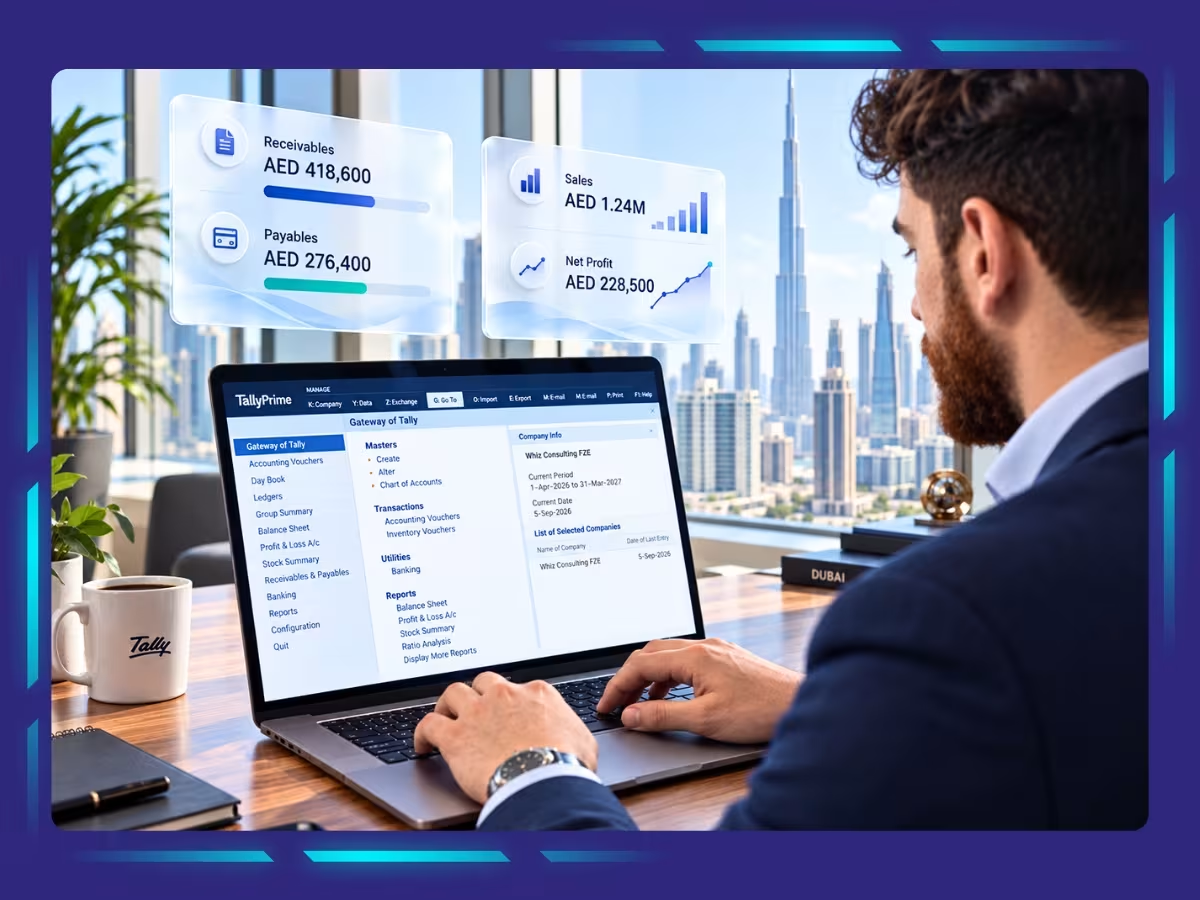
When hiring an accountant, whether in-house or virtual; ensure they’re genuinely proficient with cloud-based accounting platforms. Popular tools used by UAE businesses include Zoho Books, QuickBooks Online, Xero, SAP Business One, Oracle NetSuite, Microsoft Dynamics 365 Business Central, and Tally. These platforms enable real-time transaction tracking, seamless document sharing, and smoother VAT filings and audits.
If you’re engaging a virtual accountant, technology competence alone isn’t enough. Data security must be a priority. Ask about their security framework, certifications, access controls, and backup policies. More importantly, check how well they understand local data protection requirements, including compliance with regulations such as the DIFC Data Protection Law if your business operates within that jurisdiction.
5. Look for a Good Fit with Your Business Culture
Whether you’re hiring an in-house accountant or working with a virtual accountant, you need an expert who aligns with your business culture, values, and can work alongside you in the long term. They should be a financial partner, providing strategic advice on how to grow your business, save on taxes, and manage cash flow effectively. This structure ensures your financial communication stays secure, predictable, and accountable, so nothing slips through the cracks, even when your accountant works remotely.
6. Consider Costs and Fee Structures
The cost of accounting services greatly depends on whether you choose an in-house accountant or a virtual one, based on the complexity of your needs.
With an in-house accountant, you must incur costs such as salary, training, benefits, and office space.
On the other hand, accounting outsourcing can help you save significantly on overheads. In fact, businesses can save up to 60% on hiring an outsourced accountant as they only pay for the services they require, with no operational costs.
7. Research and Ask the Right Questions
Once you’ve narrowed down your options, it’s time to interview potential accountants.
- How do you stay up to date with the latest tax regulations and changes in UAE law?
- Can you provide references from businesses in my industry?
- What accounting software do you recommend, and are you comfortable using cloud-based systems?
- How do you handle VAT filings and other regulatory compliance issues in the UAE?
- What is your approach to financial strategy and planning?
Choosing the Right Accounting Partner for Your UAE Business
Finding the right accountant in the UAE goes beyond technical expertise. Whether you move away from an in-house setup or adopt a virtual accounting model, the focus should always remain on value, compliance, and sustainable growth.
At Whiz Consulting, we work as an extension of your business, combining deep UAE compliance knowledge with flexible, remote accounting support. As your accounting outsourcing service partner, our team helps you stay audit-ready, meet regulatory requirements, and make smarter financial decisions as your business scales.
With the right accounting partner by your side, managing UAE financial complexities becomes simpler, more predictable, and focused on growth.

Get customized plan that supports your growth

Have questions in mind? Find answers here...
This entirely depends on your business requirement. An accounting firm usually offers broader expertise, backup support, and stronger compliance coverage, while an individual accountant may suit simpler needs and smaller operations.
Industry experience matters because it helps the accountant understand sector-specific regulations, cost structures, and reporting requirements common in the UAE.
A UAE accountant should be proficient in tools like Zoho Books, QuickBooks, Xero, and ERP systems that support UAE VAT and regulatory reporting.
Relevant qualifications include a recognised accounting degree and certifications such as CA, ACCA, CPA, along with practical knowledge of UAE tax and VAT laws.
Thousands of business owners trust Whiz to manage their account
Let us take care of your books and make this financial year a good one.